Agriculture is more than the production of food. It is a connection between people, land, communities, businesses and markets.
Every product that reaches a supermarket, restaurant, distributor or household has travelled through a supply chain. Behind that product are farmers, agricultural workers, suppliers, quality teams, logistics providers, importers, exporters and retailers.
At The Dutch Organic Limited, we believe that understanding this journey is essential to building better agricultural businesses.
From the Soil Begins the Journey
The quality of an agricultural product begins at its source.
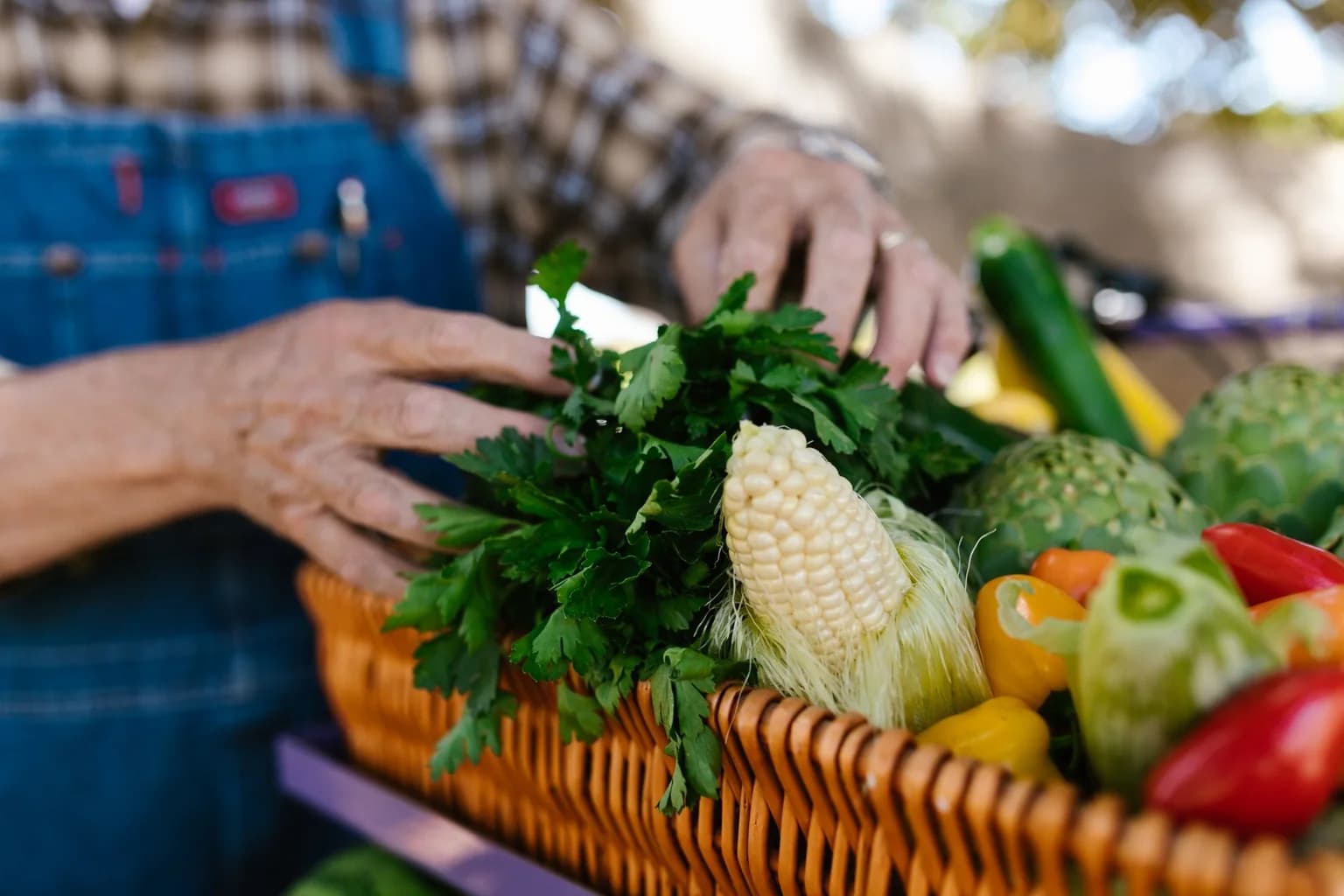
Responsible cultivation requires attention to soil, water, crops, agricultural inputs, harvesting practices and environmental conditions. Farmers make decisions throughout the growing cycle that can influence both the quality of the harvest and the sustainability of the farm.
For this reason, agricultural sourcing should begin with relationships and knowledge.
Understanding where a product comes from, who produces it and how it is cultivated helps businesses make better purchasing decisions.
Responsible Sourcing
Responsible sourcing is at the centre of a reliable agricultural supply chain.
For businesses, sourcing is not simply about finding the lowest price. It also involves evaluating consistency, specifications, quality, availability, documentation and the ability of suppliers to meet agreed requirements.
A strong sourcing process can include supplier assessment, product specifications, quality checks, documentation and ongoing communication.
These practices help create greater transparency between producers and buyers.
Quality Continues After Harvest
Harvesting is only one stage of the journey.
Fresh agricultural products can require careful handling, grading, storage, packaging and transportation. Products destined for international markets may also need additional documentation and compliance procedures depending on the destination country and product category.
Maintaining quality throughout these stages requires coordination between multiple partners.
The goal is simple: protect the product and preserve its agreed specifications as it moves from the producer toward the final market.
The Importance of Traceability
Modern customers and businesses increasingly want to understand where products originate.
Traceability helps companies follow a product through relevant stages of the supply chain.
Depending on the product and applicable requirements, traceability may involve information about the producer, batch, processing, packaging, shipment and destination.
For international agricultural trade, reliable records can help improve accountability, quality management and communication between business partners.
Connecting Farmers and Global Markets
International trade can create opportunities for agricultural producers to reach new customers and markets.
However, successful export requires more than simply sending a product overseas.
Businesses need to understand product requirements, packaging, documentation, logistics, destination regulations and customer expectations.
This is where experienced trading and distribution partnerships can create value.
The Dutch Organic Limited aims to build connections between agricultural sources and international markets while developing relationships based on transparency, quality and long-term cooperation.
Sustainability Is a Long-Term Commitment
Sustainable agriculture is not a single technique or marketing phrase.
It is a long-term approach to managing agricultural resources responsibly.
Soil health, water management, biodiversity, responsible inputs, waste reduction, packaging and transportation can all form part of a company's sustainability strategy.
Different farms and products require different approaches. What matters is creating measurable, practical improvements and continuously evaluating performance.
Creating Value Beyond the Product
A successful agricultural business should create value across the supply chain.
For farmers, this can mean access to reliable markets.
For distributors, it can mean dependable products and professional partnerships.
For retailers, it can mean a differentiated product portfolio.
For consumers, it can mean access to products with clear information about their origin and characteristics.
For the environment, responsible agricultural practices can help protect the resources on which future food production depends.
The Future of Agriculture
The future of agriculture will require cooperation.
Farmers, businesses, researchers, logistics providers, retailers and consumers all have roles to play.
Technology can improve traceability. Better logistics can reduce unnecessary losses. Responsible sourcing can strengthen producer relationships. Sustainable agricultural practices can support long-term productivity.
No single company can solve every challenge in the food system.
But businesses can contribute by making responsible decisions at every stage they control.
Our Commitment
At The Dutch Organic Limited, our ambition is to connect agriculture, healthy products and international markets through responsible business relationships.
We believe that good agricultural trade should be built on quality, transparency, sustainability and trust.
From the farm to the global marketplace, every stage matters.
And when the supply chain works responsibly, everyone can benefit.
The Dutch Organic Limited
From Healthy Soil to a Healthier World.