Food choices happen in everyday settings: at a market stall, in a shop, during a restaurant visit or while planning a household meal. Useful information can make those choices easier. A responsible approach considers the overall diet, what a product contains and how the food will be used.
Consider the whole diet
WHO identifies adequacy, balance, moderation and diversity as core principles of a healthy diet. It also explains that dietary needs and patterns vary with personal circumstances, culture and available foods. This supports looking at a range of foods and the overall eating pattern, rather than expecting one ingredient to provide everything.
WHO: Healthy dietAt the shopping stage, consider how a food fits into the meals you already prepare. Compare choices within the same category and look beyond an attractive product name. A fruit drink, a fresh fruit and a prepared cereal have different uses; a broad description such as healthy does not explain their ingredients or composition.
Read the product information
Check the ingredient list, nutrition information, allergen information and preparation or storage instructions supplied with a packaged food. If something is unclear, ask the seller or manufacturer. Clear information helps you compare products for your circumstances; it should take priority over an unsupported promise on a display or advertisement.
Plan for what you will use
FAO's food-waste guidance encourages planning purchases, considering existing food supplies and storing foods appropriately. A practical starting point is to check what is already at home and make a shopping list around planned meals. Buy quantities that fit the household's likely use and available storage.
FAO: How to reduce your food wasteUse the product's storage instructions and keep information attached to the food where practical. Before buying a large pack, consider whether you can use it within its stated conditions. Good intentions are easier to turn into action when the food has a clear place in the week's meals.
Ask about sourcing with care
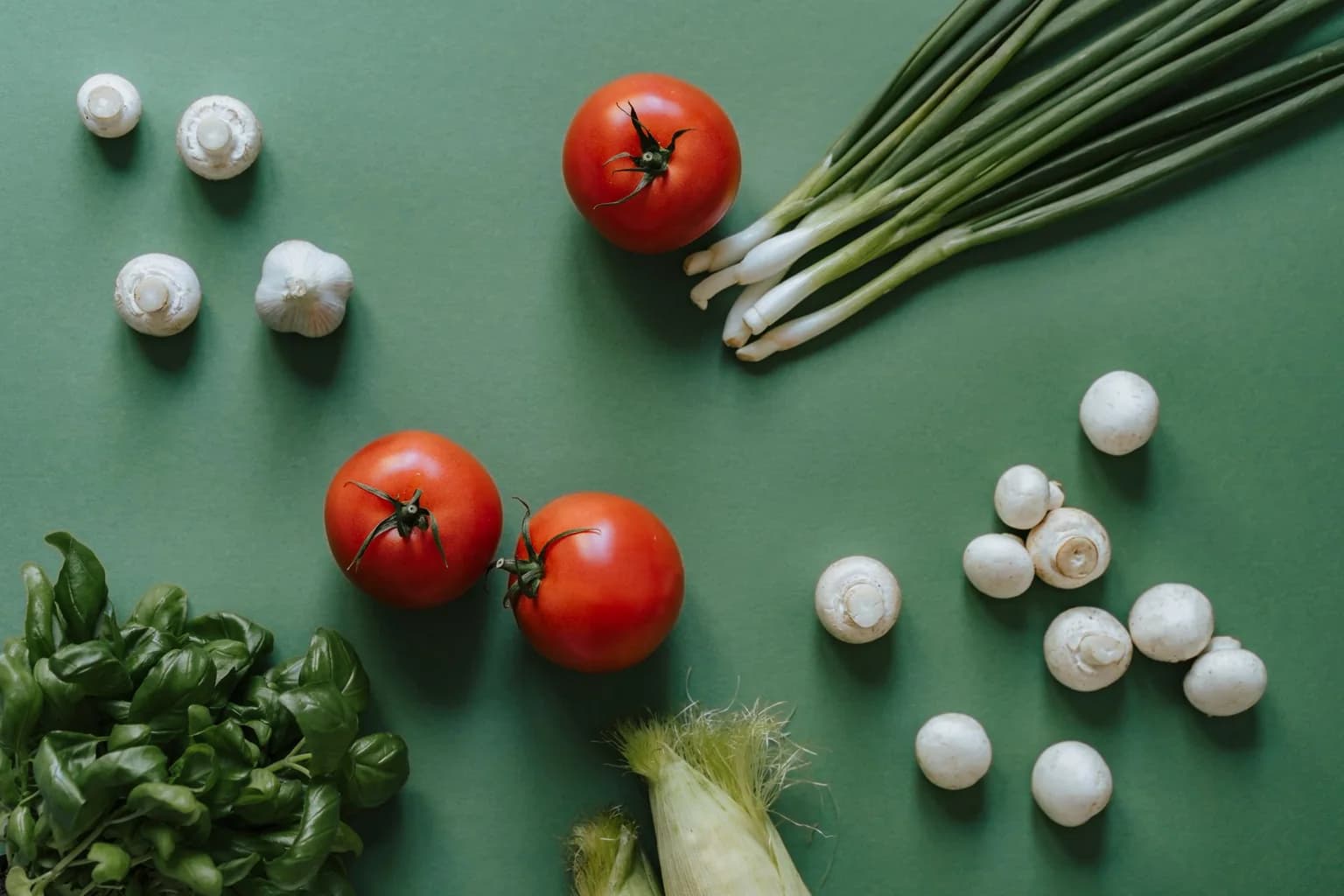
Origin and sourcing information can also matter to a food choice. Ask what a seller can explain about the product and which claims are supported. An appealing agricultural image does not establish where a particular pack was produced, and a company name alone does not establish a certification.
Keep information separate from promises
This article discusses general food choices and does not prescribe a personal diet. Products should not be presented as treatments or guaranteed health outcomes. For an individual dietary or medical concern, seek advice from a qualified health professional who can consider your circumstances.
A useful everyday approach is to compare clear information, plan what you will use and consider food as part of a varied overall pattern. Responsible food choices can begin with those ordinary decisions, without relying on exaggerated claims about a single product.